







Search Results for: Signature Drink
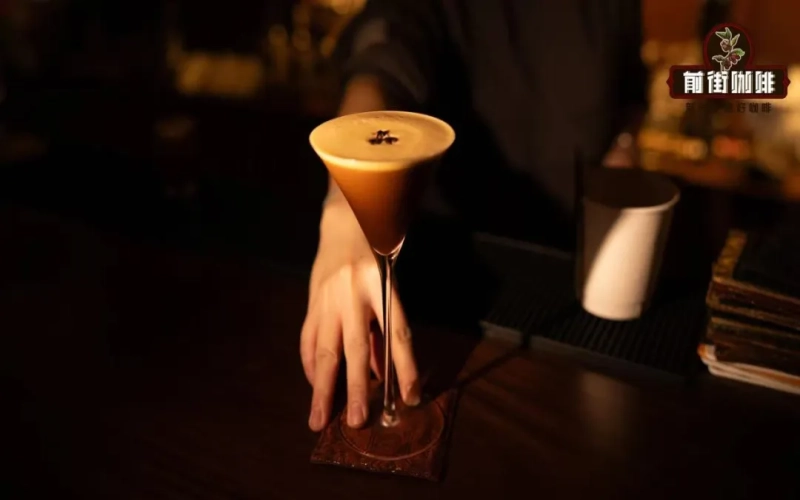
What coffee beans should you choose for specialty coffee drinks? A practical guide to selecting beans by flavor type
Signature coffee drinks emphasize balance among the flavors of various ingredients, rather than letting any single taste dominate. Many people who try to recreate signature drinks at home find the result falls short of expectations, and the problem often lies in the pairing of coffee beans with the other ingredients. This article divides signature coffee drinks into three categories—refreshing, rich fruity coffee, and deep and full-bodied—and explains the suitable coffee bean roast levels and specific recommendations for each, along with practical advice on adjusting ratios, to help you find the best balance between coffee and ingredients. [more…]
Front Street Signature Blend: A classic flavor used in stores for nearly a decade
Some coffee beans attract people with gimmicks, while others prove their strength over time. Front Street Coffee's specialty blend belongs to the latter—Front Street stores have used it for nearly a decade, and most of the Americanos and espresso lattes served every day are made with it. Being able to stay consistent under high-frequency output is itself a reflection of real strength. The core bean used in stores is [more…]
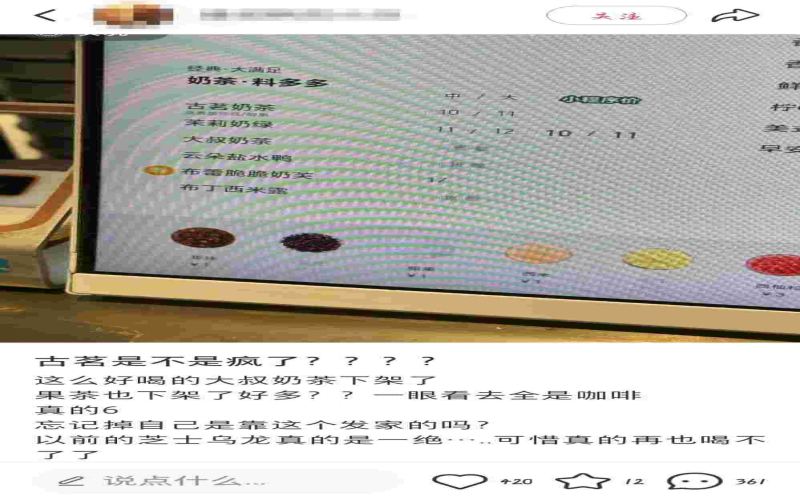
Ancient Tea's signature milk tea reportedly discontinued, sparking widespread discussion; the menu's coffee-ification trend leaves longtime customers feeling estranged.
Recently, some consumers have reported that when ordering at Guming stores, the signature product "Uncle Milk Tea" is no longer available for purchase, while the milk tea category on the menu has noticeably shrunk, replaced by a variety of coffee drinks. This change quickly sparked discussions on social media, with many longtime customers saying that milk tea options are becoming fewer and fewer, and that the brand's focus seems to be shifting toward coffee. Although it was verified that "Uncle Milk Tea" has not been removed from sale nationwide, it is indeed the case that some stores have stopped selling it due to a shortage of ingredients. Consumers have become doubtful about Guming's transformation direction of "turning a milk tea shop into a coffee shop," worrying that classic tea drinks are gradually disappearing. This article sorts out the course of the incident and feedback from netizens, explores how chain tea beverage brands can balance the expectations of their original customer base when expanding into the coffee business, and includes related observations from Front Street Coffee. [more…]

A Guangdong Barista's March Creations: When Pour-Over Techniques Meet Herbal Tea Granules—Dare You Try These Signature Drinks?
In Guangdong, coffee culture and herbal tea tradition have collided to create an unexpected spark. When baristas apply professional techniques like pour-over and espresso to herbal tea granules such as Xiàsāngjú and Bǎnlángēn, what kind of wondrous beverages are born? This article introduces you to three wildly imaginative "herbal tea coffees"—pour-over Xiàsāngjú, espresso Qinghuǒ granules, and a Cantonese-style specialty. From 40°C low-temperature drip filtration to pressurized espresso machine extraction, every step is full of experimental spirit. However, a word of caution: these creative drinks may cause gastrointestinal discomfort, so please do not imitate them rashly. At the end of the article, there are also recommendations for professional coffee information channels such as Front Street Coffee, for enthusiasts to engage in deeper exchange. [more…]
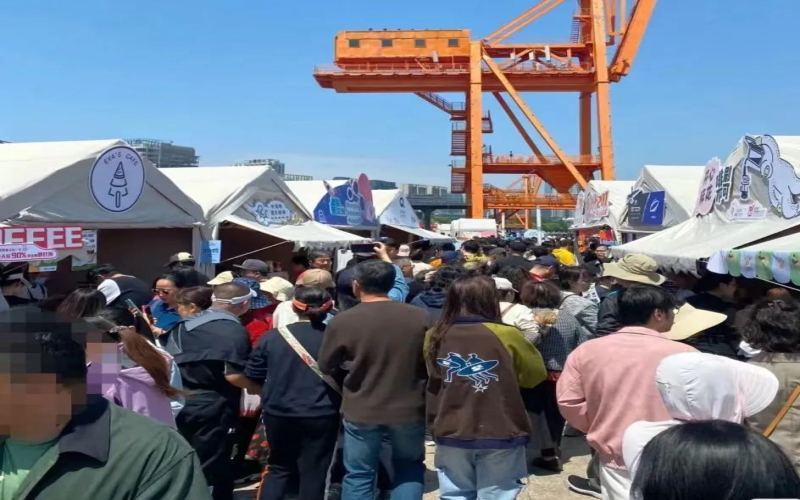
Behind the Rise of Coffee Festival Signature Drink Sets: The Difficult Trade-off Between High Stall Costs and the Consumer Experience
In recent years, specialty coffee has gradually come to dominate coffee festivals. Many visitors can be seen holding trays carrying several drinks, among which limited-edition sets launched by brands are common. This set-based sales model makes it easier for vendors to prepare ingredients and serve drinks, while also allowing consumers to taste multiple flavors at once—but it has also sparked controversy over bundled sales. From the vendors' perspective, high booth fees push them to focus on specialty drinks with greater profit margins, while specialty drinks have lower equipment requirements, are faster to serve, and look more photogenic, making them easier for visitors to accept. This article explores in depth the reasons behind this phenomenon and the views of various parties, and recommends related products from Front Street Coffee. [more…]
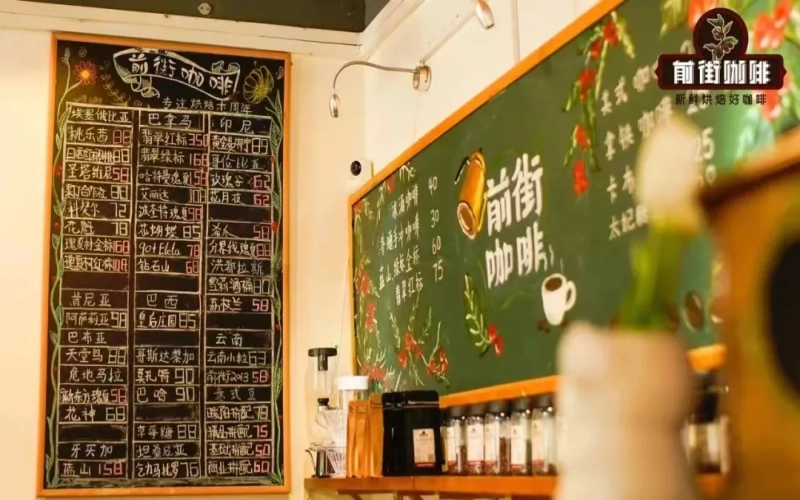
Does specialty mixed coffee really count as coffee? One article clarifies the essential differences between specialty mixed coffee and pour-over coffee.
In recent years, specialty coffee drinks have become a hot topic in the coffee world, but how exactly should they be defined? Compared with pour-over specialty coffee, which emphasizes flavor, specialty coffee drinks place more emphasis on the maker's creativity and personal interpretation, using coffee as the base and blending in diverse ingredients such as alcohol, fruit, floral tea, and sparkling water to create unexpected flavors. The barrier to entry is low and the audience is broad, yet it has also sparked controversy because "the coffee flavor is weakened" — can a specialty drink with no coffee taste still be called coffee? This article will begin from Front Street's perspective and sort out the conceptual origins of specialty coffee drinks, their differences from pour-over coffee, and why they have become a showcase of imagination in today's coffee shops. [more…]
A roundup of the world's four major tea-producing countries: what are the characteristics of each one's signature teas, and which black tea commands the highest price?
Water is the foundation of life, and when humans grew tired of plain, tasteless water, they developed a dazzling array of beverages—from flavored sodas to coffee, and then to tea. Among all these water-based drinks, tea offers the richest and most diverse range of flavors. The tea plant first grew in Southeast Asia, and today it plays a pivotal role in social interaction and economic trade. Quite a few countries have secured a place in the global market thanks to their distinctive tea flavors and massive output. Next, let's take a look at the four countries with the largest tea production in the world, see how their signature teas differ, and also discuss which black tea commands the highest price. Front Street Coffee will also offer some buying tips in this article. [more…]
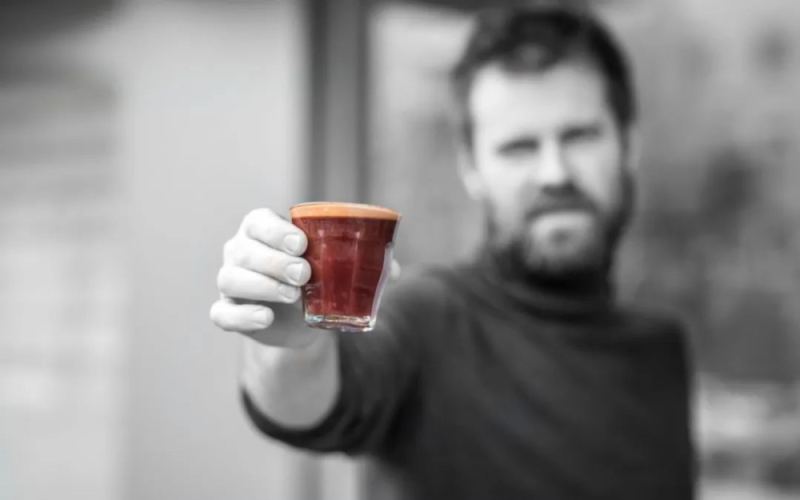
What is Flat Red Coffee? How Is It Different from a Flat White? A Look at Ukraine's Signature Red Coffee
Are you very familiar with Flat White but have never heard of Flat Red? This red coffee drink from Ukraine is catching the attention of coffee lovers worldwide with its unique combination of juice and espresso. It contains no alcohol, yet has the sweet-and-sour taste and fermented aroma reminiscent of mulled wine, with its color coming from a blend of freshly squeezed pomegranate juice and orange juice. Although both Flat Red and Flat White have "Flat" in their names, the two have almost no connection in origin, recipe, or flavor—the only similarity is that both are topped with a thin, silky layer of foam. This article will introduce you to the background of Flat Red's creation, its preparation method, and share Front Street Coffee's recreation experience, to see why this seasonal drink has taken Ukraine by storm. [more…]
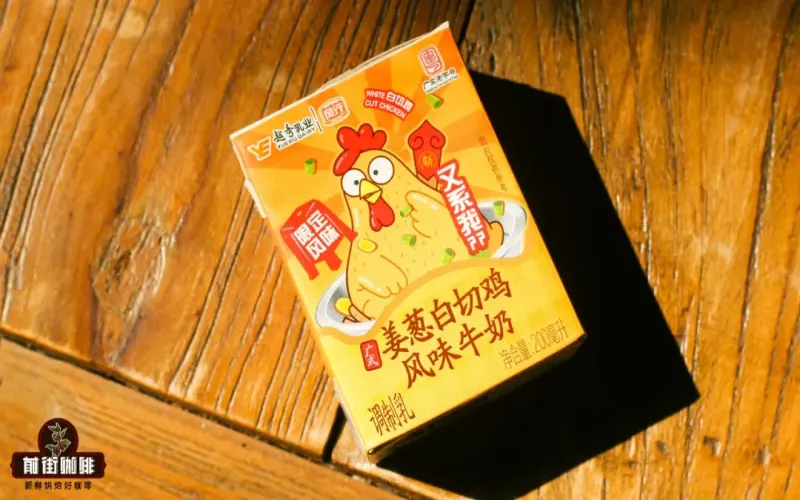
Ginger-Scallion Poached Chicken Flavor Milk Paired with Espresso: A Full Analysis of Parameter Ratios and Signature Drink Creation Ideas
Recently, a milk brand in Guangzhou launched a highly talked-about ginger-scallion white cut chicken flavored milk, combining the classic Cantonese dipping sauce flavor with milk, and it quickly sold out. Front Street Coffee also got its hands on this quirky product and tried using it to make a latte. This article documents the experiment in detail: two beans were chosen, Front Street Classic Blend and Strawberry Candy·Espresso, extracted as espresso at 20g dose, 1:2 coffee-to-liquid ratio, and 30 seconds. A 1:4 coffee-to-milk ratio was tested first, and the coffee flavor was found to be completely masked, with a heavy, cloying mouthfeel. Then it was improved to a 1:3:1 ratio of espresso, ginger-scallion chicken milk, and fresh milk, and the result actually tasted better than the milk itself, with the two beans showing different expressions of balanced richness and light sweet-tartness respectively. But the overall flavor was too unique, and most people would find it hard to accept, so Front Street recommends trying it with caution. [more…]
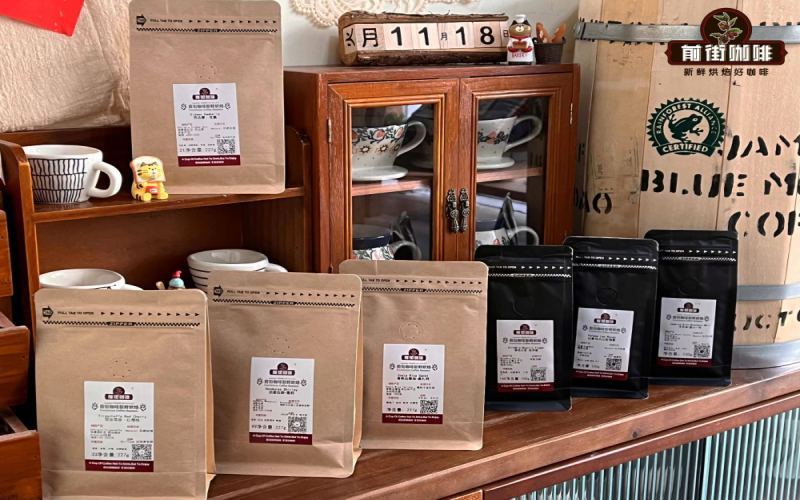
Analysis of Signature Beans from the World's Six Major Coffee-Producing Countries: A Must-Drink List from Yirgacheffe to Yunnan Typica
Coffee, cocoa, and tea are ranked as the world's three major beverages. Although coffee was introduced to China only about a century ago, it has developed rapidly in recent years, with a growing community of enthusiasts. Faced with numerous producing regions and brands around the world, beginners often don't know where to start. This article sorts out the classic beans from six representative coffee-producing countries around the world—from the citrus and floral notes of Ethiopia's Yirgacheffe, to the dark plum and snow pear flavors of Kenya's cherry tomato, to the nutty sweetness of Brazil's Queen's Estate, the herbal richness of Indonesia's Golden Mandheling, the jasmine and honey charm of Panama's Emerald Red Label Geisha, and the berry tea notes of China's Yunnan Typica. Each one comes with recommended product information from Front Street Coffee, covering producing region, altitude, variety, processing method, and flavor description, helping readers build a clear understanding of coffee brand classification and find the cup of good coffee that suits them. [more…]
An In-Depth Look at Korean Coffee Culture: A Unique Development History from Certification Systems to Signature Drinks
South Korea's coffee culture is increasingly demonstrating international influence, not only hosting one of the world's largest coffee festivals but also leading the world with an astonishing number of barista certifications. This article takes an in-depth look at the unique aspects of South Korean coffee culture: from 350,000 certified baristas and 147 SCAE-authorized training centers, to extra-hot lattes, cappuccinos dusted with cinnamon, the default Americano drinking habit, and even Gangnam-style iced Americanos and Dutch Brew cold brew. Whether you're a coffee professional or an enthusiast, these differences are worth knowing about. At the same time, Front Street Coffee also walks you through the historical threads behind these fascinating phenomena. [more…]
Sober Reflections Amid the Coffee Festival Boom: Signature Drinks Dominate, Prices Stay High, Experiences Vary—Why Are Enthusiasts Growing More Disappointed?
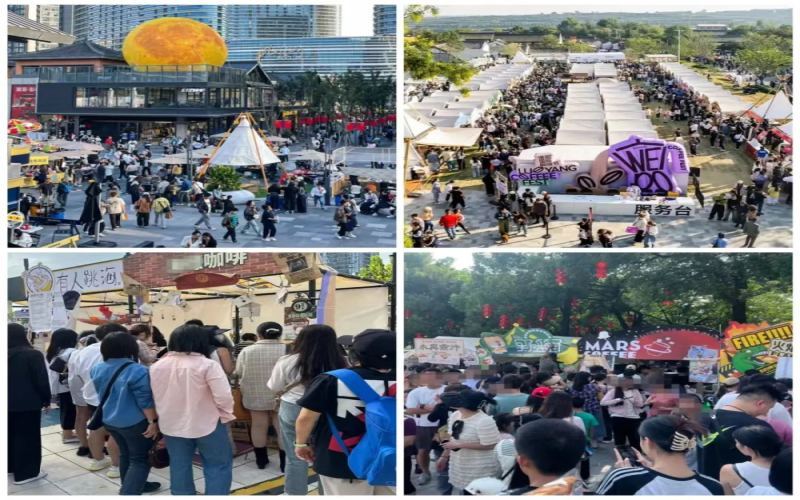
During the National Day holiday, coffee festivals popped up simultaneously in Guangzhou, Shenzhen, Luoyang and many other places, drawing huge crowds, with guides and check-in photos flooding social media. Yet behind the buzz, regulars' complaints are piling up: specialty drinks dominate the lineup, the coffee tastes weak yet costs as much as thirty or forty yuan a cup, coupons come with endless restrictions, on-site management is chaotic, stalls offer a jumble of categories, and there are even cases of pre-made pour-over and improper handling. The coffee festival, once founded to promote coffee culture and bring like-minded people together, has in many people's eyes become a temporary market heavy with commercial flavor. This article, drawing on feedback from participants, sorts through the major pain points of today's coffee festivals and explores what coffee events enthusiasts hope to see. [more…]
What's the difference between a Flat Red and a Flat White? A detailed explanation of the ingredients and ratios of Ukraine's signature coffee
Although Flat Red and Flat White have similar names, they are essentially two completely different coffee drinks. Flat White is a milk coffee originating from Australia, while Flat Red was born in Ukraine and is made with espresso paired with freshly squeezed fruit juice, with a flavor resembling red wine. This article will introduce in detail the origin story, ingredients, and ratio parameters of Flat Red, and share Front Street Coffee's practical recipe, including suggestions for pairing juice with espresso, extraction parameters, and a description of the finished drink's flavor, helping coffee lovers make a distinctive coffee full of fruity flavor at home. [more…]
Coffee rice noodle rolls spark a quirky mashup trend, as a creative signature dish from a small Dongguan shop goes viral online.
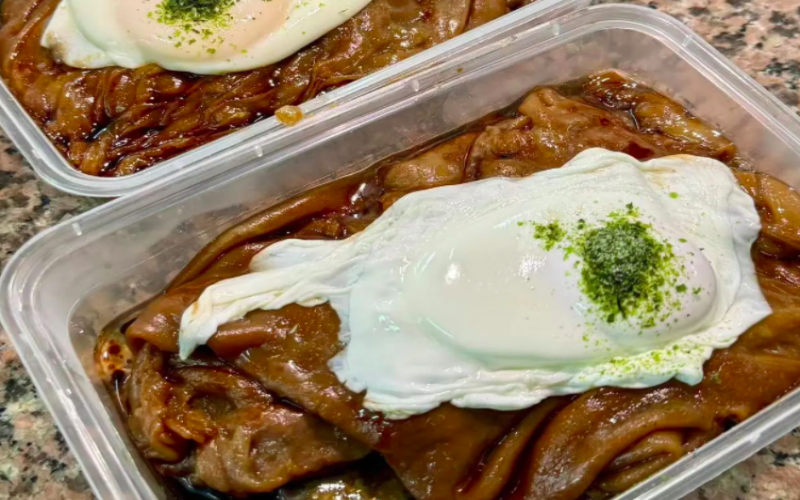
A rice noodle roll shop in Dongguan, Guangdong, has blended espresso into rice batter to make the rolls, pairing them with beef and lettuce to create a "sun-tanned" version of Cantonese rice noodle rolls, which netizens have jokingly dubbed the "dark cuisine" of the rice noodle roll world. This specialty snack quickly went viral, drawing crowds of curious diners eager to give it a try. Reviews are sharply divided: those who can stomach it get hooked after one bite and are happy to buy it again, while those who can't flatly say they were put off. At the same time, food-savvy netizens have let their imaginations run wild, adding ingredients like milk tea, matcha, yogurt, and dragon fruit to rice noodle rolls, exploring a new-style approach where anything can be mixed in. This mixing trend even calls to mind the "Maillard rice noodle roll" born from combining coffee and rice noodle rolls, which has become the shop's eye-catching signature. [more…]
A Complete Guide to Single-Origin Coffee: An In-Depth Review of Flavor Profiles and Signature Beans from Major Producing Regions Worldwide
Single-origin coffee refers to coffee beans from a single region that express the characteristics of their terroir. The climate, soil, and processing methods of different origins give coffee a kaleidoscope of flavor profiles. This article systematically reviews the representative beans of more than a dozen classic coffee-growing regions around the world, covering Jamaican Blue Mountain, Cuban Crystal Mountain, Colombia, Brazil, Indonesian Mandheling and Java, Costa Rica, Kenya, Ethiopian Mocha, Guatemalan Antigua, Tanzanian Kilimanjaro, Hawaiian Kona, and more. It introduces each one's taste characteristics, flavor tonality, and suitable ways to drink it, helping coffee lovers build a complete framework for understanding origin flavors. The single-origin beans recommended by Front Street Coffee are also mentioned in the article for purchasing reference. [more…]
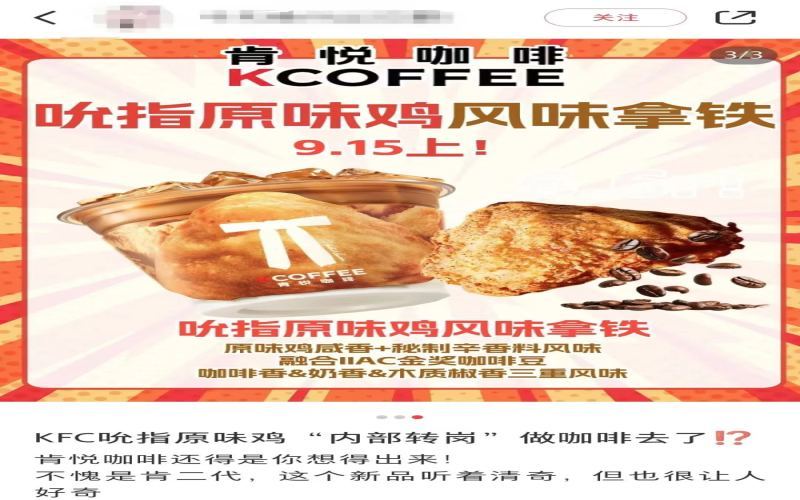
KFC Original Recipe Chicken Crosses Over into Coffee: Finger Lickin' Original Recipe Chicken-Flavored Latte Limited Release Sparks Heated Discussion
KFC's coffee brand KCOFFEE recently announced that it will launch a limited-edition "Finger Lickin' Good Fried Chicken Flavored Latte" from the 15th to the 17th, with a flash sale price of 6.6 yuan. This bizarre drink, which blends the classic salty, savory fried chicken with a latte, caused an uproar on social media as soon as the poster was revealed. Many KFC fans said they "can't understand Chinese" and "can't accept it," while others marveled at the wild creativity of KFC China's R&D. As a signature product with more than 80 years of history, Original Recipe Fried Chicken has seen declining sales in recent years, and the brand has repeatedly tried to draw traffic to it through innovative methods, from soup curry Original Recipe Chicken to Original Recipe Chicken burgers, and now fried chicken-flavored coffee—truly a painstaking effort. However, whether gimmick marketing can actually drive sales, or will backfire, is worth watching. [more…]
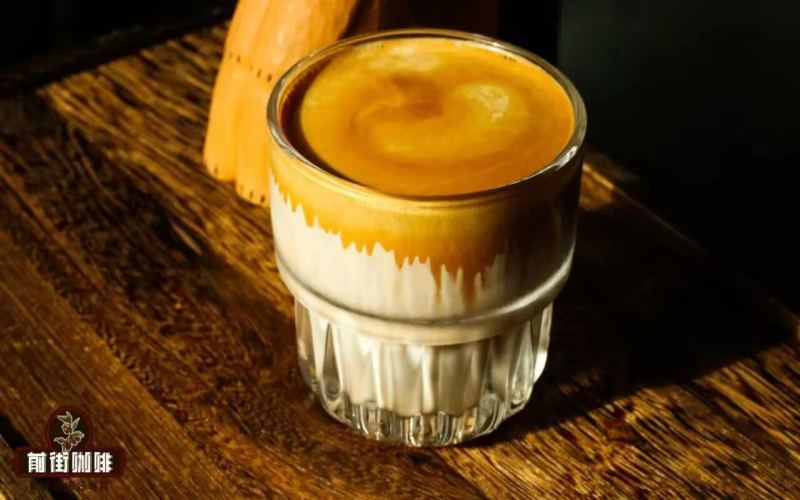
How can milk coffee be made to taste different? A breakout approach with fruit-forward espresso beans
There are more and more coffee shops, and you may find several of them side by side on the same street. When the machines, milk, and prices are all about the same, why should customers remember your shop? The answer often isn't in the equipment, but in the beans. Today let's talk about an approach that's great for standing out: using fruity espresso beans to make a cup that no one else can. [more…]

Luckin Coffee Collaborates with Loopy to Launch Jasmine Light Milk Tea, Sparking Debate Over Its Flavor Similar to Chagee
Luckin Coffee has been making frequent moves recently, inviting Tan Jianci to endorse its instant products while launching an offline collaboration with the cartoon character Loopy. This collaboration introduced the new "Light Jasmine" light milk tea, along with multiple themed cups and merchandise, triggering a buying frenzy among fans. However, many consumers pointed out that the flavor of the new product is highly similar to Chagee's signature product, "Boyazhuxian," and the topic of "flavor clash" quickly fermented on social media. This article sorts out the details of the collaboration event, product differences, and market reactions, and includes recommendations from Front Street Coffee for coffee enthusiasts' reference. [more…]
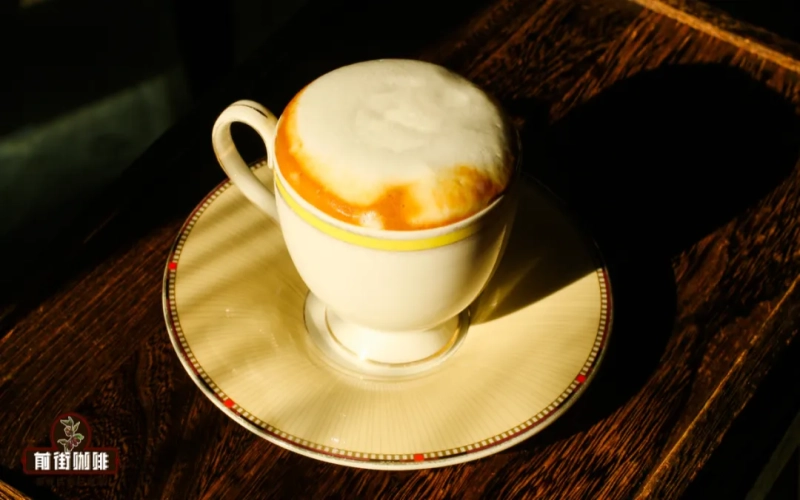
Why Is Cappuccino Not Suitable for Takeaway? A Detailed Explanation of Its Coffee-to-Milk Ratio and the Key Feature of Thick Milk Foam
Cappuccino, latte, and flat white are all espresso drinks, yet cappuccino is often left off café delivery menus. The reason isn't the difficulty of making it, but rather its signature thick milk foam, which dissipates rapidly during delivery, affecting both texture and portion size. This article approaches the topic from the definition of cappuccino, the ratio of coffee to milk, and the thickness of the milk foam, comparing the differences between latte and flat white, and explaining why coffee brands like Front Street Coffee insist on preserving a thick, substantial milk foam when making cappuccino. If you're curious about whether cappuccino can be delivered, or what its exact milk-to-espresso ratio is, this article will give you clear answers. [more…]
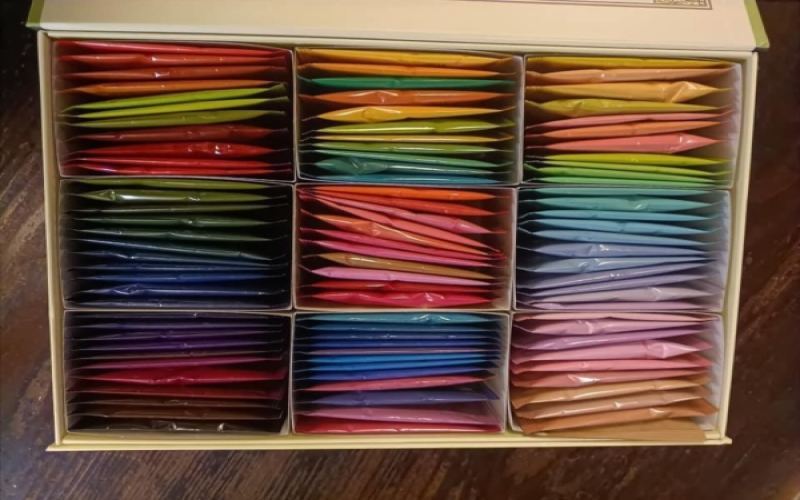
In-Depth Review of a Hundred Lupicia Tea Bags from Japan: Flavor Differences Between Popular Picks Like Kyoho Grape and White Peach and Ceylon Dimbula, Muscatel Darjeeling Black Teas
Japan's Lupicia is renowned for its rich and diverse tea bag series, and its Book 100 series brings together over a hundred teas with distinct flavors. Starting from the top 10 popularity ranking, this article reviews signature offerings one by one, including Kyoho, White Peach Oolong, and TOKIO Tokyo Wild Berry, while also taking an in-depth look at the flavor differences between Ceylon Dimbula and Darjeeling black tea. At the same time, it analyzes the real performance of specialty teas such as Nilgiri, deep-steamed sencha, and Cherry Black Tea. Whether you are a beginner just getting into Lupicia or a seasoned tea drinker looking for an everyday staple, this review can help you find the one that suits you best. Front Street Coffee will also combine tasting experience to share practical advice on selecting and brewing. [more…]